


By Lucio Gabor
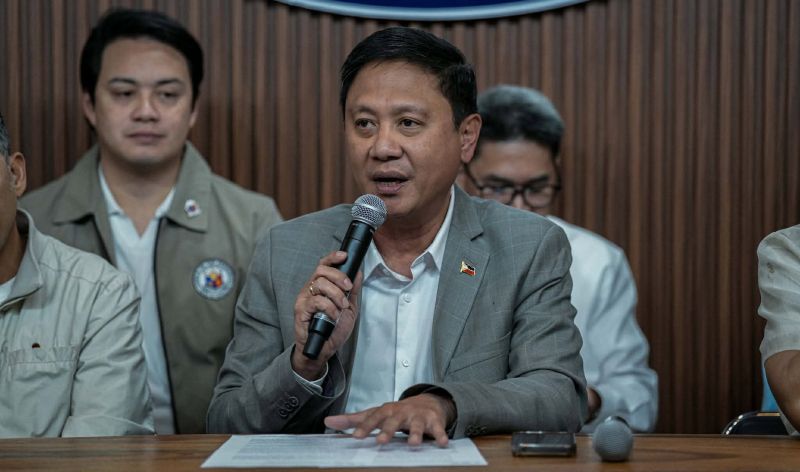
The Philippine Sports Commission (PSC) and key sports and education stakeholders have called for sweeping reforms in the coaching profession, stressing that better education, training, and regulation of coaches are essential to safeguarding the welfare of Filipino athletes.
The call emerged during the inaugural meeting of the Sports Stakeholders’ Panel convened in the wake of the tragic deaths of incoming Ateneo de Manila University student-athletes Nigerian Divine Adili and Agusan Del Sur pride Rene Clert Baterbonia.
Both Adili, 21, and Baterbonia, 19, drowned during an open-water training in a secluded beach in Baler, Aurora.
The meeting brought together representatives from the Commission on Higher Education (CHED), Department of Education (DepEd), Samahang Basketbol ng Pilipinas (SBP), University Athletic Association of the Philippines (UAAP), and the National Youth Commission (NYC) to discuss immediate and long-term measures aimed at strengthening athlete protection.
While investigations by CHED, the Philippine National Police (PNP), the Department of the Interior and Local Government (DILG), and the National Bureau of Investigation (NBI) continue, the stakeholders emphasized that the conversation extends beyond a single incident and underscores the urgent need to improve sports governance across the country.
Central to the panel's recommendations is the recognition that coaches play a critical role in shaping not only the athletic performance but also the safety and overall well-being of athletes.
"Coaches wield tremendous influence over the lives and development of athletes," the panel said in a joint statement. "They must not only be empowered to lead but also be educated, trained, and held to standards that promote athlete safety, welfare, and responsible coaching practices."
To address these concerns, the stakeholders agreed to support the proposed Sports Coaching Act, which seeks to professionalize the coaching profession through mandatory licensing, certification, continuing professional development, and the creation of a national registry of coaches and sports professionals.
The proposed measure, filed as House Bill No. 2631 by Congressman Faustino Michael Carlos Dy III, aims to establish clear standards of competence and accountability among coaches. Stakeholders believe that ensuring coaches possess the necessary knowledge and qualifications will significantly reduce risks and foster safer sporting environments.
Sports officials noted that for many Filipino families, sports represent a pathway to education, personal growth, and social mobility. As such, athlete welfare must remain at the heart of every training program and sporting activity.
Beyond coaching reforms, the panel also committed to developing stronger safety standards, risk management systems, and emergency response protocols across all levels of sport. This includes standardizing safety measures for training programs and enhancing preparedness among sports personnel.
The PSC revealed that it is currently working with Philippine Life Saving, with guidance from Surf Life Saving Australia, to expand water safety education, certification, and emergency preparedness programs for coaches, trainers, and sports officials.
Stakeholders stressed that athletic excellence should never come at the expense of athlete safety.
"The pursuit of excellence must be anchored on systems that are safe, accountable, and worthy of public trust," the panel said.
The group also expressed its deepest sympathies to the families of Adili and Baterbonia, pledging to continue seeking accountability and implementing reforms that will help prevent similar tragedies in the future.
According to the stakeholders, the most fitting tribute to the two student-athletes is to ensure that their loss leads to meaningful and lasting reforms that will create a safer, more responsible sporting environment for future generations of Filipino athletes.